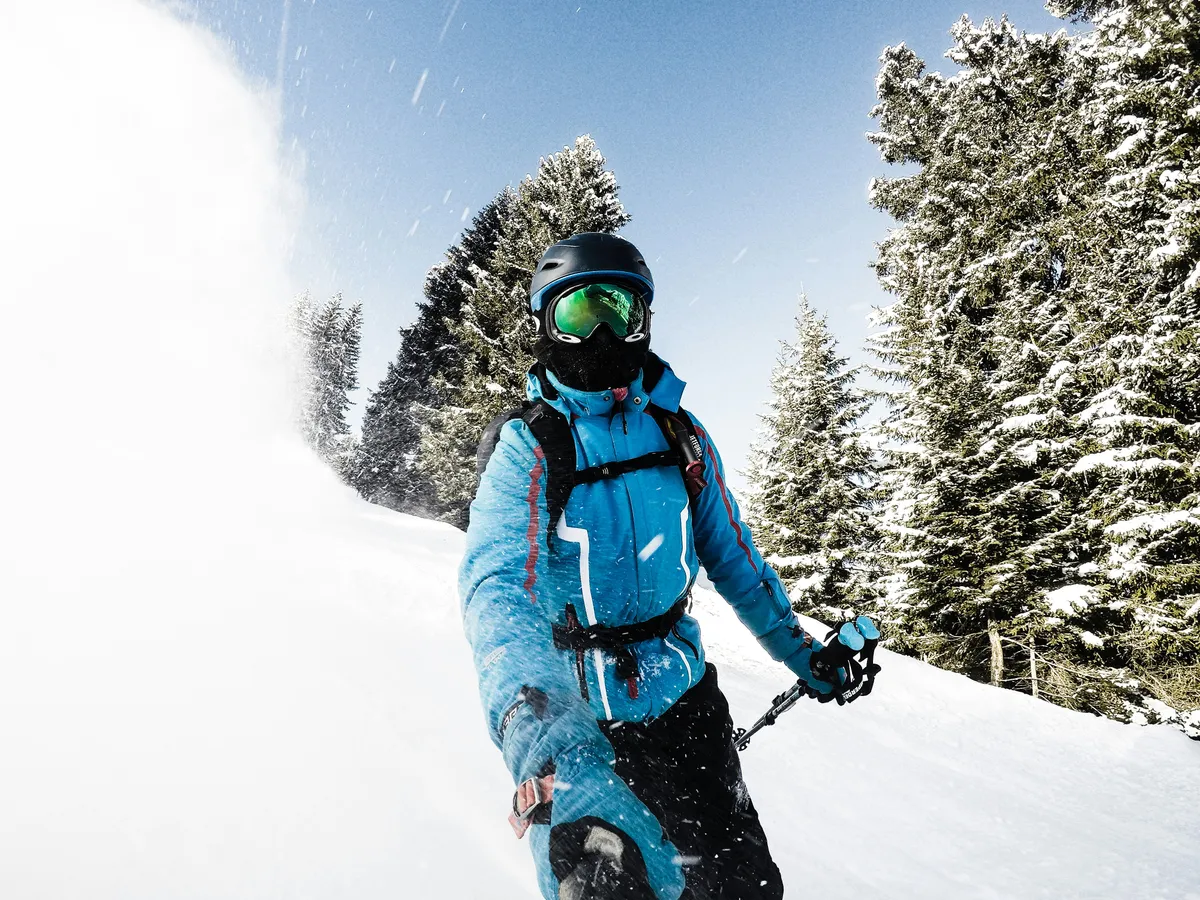
The jacket you want for a cold chairlift ride may be quite different from the one you want for a long climb. Built-in insulation makes getting dressed simpler; a shell lets you change the warmth underneath. Start there, then look at the fit and weather protection.
The six jackets below offer different combinations of those features. A waterproof rating can help you compare fabrics, but it can’t tell you whether a hood will fit your helmet or whether you’ll be comfortable sitting on the lift.
Insulated jacket or shell?
An insulated jacket combines warmth and an outer weather layer. A shell leaves the insulation to what you wear underneath. Think about the layers you already own before deciding which arrangement suits you.
A shell and separate midlayer give you more ways to adjust as the day warms up. An insulated jacket is convenient when you prefer built-in warmth. Neither choice is reserved for a particular ability level. Our layering guide explains how to put the pieces together.
The six ski jackets at a glance
| Jacket | Fabric / rating | Type | RECCO | Weight | Price |
|---|---|---|---|---|---|
| Norrona Lofoten Gore-Tex Pro | GORE-TEX Pro 3L, 28,000 mm | Shell | Not listed | 666 g | $999 |
| Dope Snow Adept | DRY Tech, 15,000 mm | Insulated | Not listed | not published | $229 |
| Helly Hansen Alpha 4.0 | Helly Tech Professional 2L | Insulated, 80g | Yes | not published | $485 |
| The North Face Cirque Down | DryVent 2L | Insulated, down + 200g | No | 1,221 g | $480 |
| Rab Khroma Kinetic | Proflex 3L, 20,000 mm | Shell | No | 538 g | $400 |
| Flylow Lucy (2025) | Tactic 3L, 20,000 mm | Shell (women’s) | Not listed | 612 g | $420 |
A missing waterproof number doesn’t mean a jacket lacks waterproof fabric. Check its construction as well as its rating.
Norrona Lofoten Gore-Tex Pro
Best Splurge Shell
The Lofoten GORE-TEX Pro is the most expensive shell here at $999. Its three-layer construction, helmet-compatible hood, removable powder skirt, and underarm vents make it worth considering if you want a separate weather layer with those features. The listed weight is 666 grams in size L, so compare that with what you want to carry. You’ll still need insulation underneath for cold days; the price doesn’t buy built-in warmth.
- Type
- Shell (no insulation)
- Fabric / rating
- 3-layer GORE-TEX Pro, ePE, 28,000 mm
- Weight
- 666 g (size L)
- RECCO
- Not listed
- Price
- $999
Best for skiers who ski storms, wet coasts, and the edge of the backcountry. Skip it if your season is mostly cold, dry resort laps.
Dope Adept
Best All-Mountain
The Dope Snow Adept puts built-in insulation, a full front zipper, and resort features together for $229. Its 15,000 mm waterproof rating and fully taped seams sit alongside a helmet-compatible hood, snow skirt, and underarm vents. The Fellex fill is 60 gsm in the body and 40 gsm in the sleeves and hood. Choose it if you like having warmth already inside the jacket; consider a shell if you often want to remove insulation while keeping weather protection on.
- Type
- Insulated
- Fabric / rating
- DRY Tech, 15,000 mm
- Weight
- Not published
- RECCO
- Not listed
- Price
- $229
Best for resort skiers who want built-in insulation. Choose a shell instead if you prefer to adjust warmth entirely with separate layers.
Helly Hansen Alpha 4.0
Best Insulated Resort
The Alpha 4.0 combines a two-layer HELLY TECH Professional outer with 80-gram PrimaLoft insulation. A helmet-compatible hood, adjustable powder skirt, and H2Flow venting give you ways to adjust coverage and release heat. It also includes a RECCO reflector and an insulated phone pocket. The question is whether you want fixed insulation for your resort days: you can open vents, but you can’t take that fill out when the afternoon warms up.
- Type
- Insulated, 80g PrimaLoft
- Fabric / rating
- 2-layer Helly Tech Professional (no published mm)
- Weight
- Not published
- RECCO
- Yes
- Price
- $485
Best for skiers who want warmth out of the box on cold days. Skip it if you run hot or prefer the range of a shell.
The North Face Cirque Down
Best for Deep Cold
The Cirque Down combines 550-fill down with 200-gram Heatseeker synthetic insulation in different parts of the jacket. At 1,221 grams, it’s a substantial insulated option with a helmet-compatible hood and powder skirt. Its untaped seams are a reason to look elsewhere if wet-weather protection is your priority. Try the whole jacket over your usual layers rather than choosing it by fill numbers alone.
- Type
- Insulated hybrid (550 down + 200g synthetic), standard fit
- Fabric / rating
- DryVent 2L, untaped seams (no published mm)
- Weight
- 1,221 g
- RECCO
- No
- Price
- $480
Best for the coldest days at the resort. Skip it if your winters are wet, where an untaped jacket gives way to a taped shell, or if you run warm.
Rab Khroma Kinetic
Best for Backcountry-Curious
The Khroma Kinetic is a 538-gram shell with stretchy three-layer Proflex fabric, a helmet-compatible hood, and vents behind the arms. That arrangement is worth trying if you want a shell for both lift-served days and uphill travel. Check that you can reach the vents with your backpack on and that the cut leaves room for the insulation you carry. It has no built-in warmth.
- Type
- Shell (no insulation)
- Fabric / rating
- Proflex 3L, 20,000 mm / 25,000 g breathability
- Weight
- 538 g
- RECCO
- No
- Price
- $400
Best for the resort skier starting to tour and skin. Skip it if you need built-in warmth or a rescue reflector.
Flylow Lucy
Best Women’s-Specific
The 2025 Flylow Lucy is a women’s shell with Tactic 3L fabric, fully taped seams, and a 20,000 mm waterproof rating. Its 12-inch underarm vents and removable powder skirt give you some flexibility as conditions change. At $420 and 612 grams, it sits between the lighter Khroma Kinetic and the pricier Lofoten in this list. Wear it over your intended midlayer when checking the fit.
- Type
- Shell, women’s cut (no insulation)
- Fabric / rating
- Tactic 3L, 20,000 mm
- Weight
- 612 g
- RECCO
- Not listed
- Price
- $420 regular US price (2025 version)
Best for women who want a shell to layer. Choose an insulated jacket instead if you want warmth built in.
Narrow your shortlist
Choose insulation or a shell first, then set your budget. Try the remaining options with your helmet and layers. If you’re weighing a more expensive jacket, Is a Ski Jacket Over $300 Worth It? helps you decide which differences are worth paying for.
What matters most when picking a shell
The waterproof number, past 10K
A waterproof rating describes a fabric test. Higher figures can indicate greater resistance under the same test method, but they don’t translate into guaranteed dry hours. Check seam treatment and the finished jacket as well.
Breathability and ventilation
Breathability matters when you’re generating heat, but figures need matching units and test methods to be useful comparisons. Check accessible vents too, especially if you tend to get hot while hiking or skiing.
Three-layer construction
A three-layer shell bonds its outer fabric, membrane, and inner backer together. It can avoid the bulk of a separate lining, but the label alone doesn’t establish weight, durability, or breathability. Compare the actual garments.
A hood that fits a helmet
Try the hood with your helmet on. Adjust it and turn your head to check coverage and vision. A helmet-compatible label is a starting point; your particular helmet still needs to fit.
Pit zips versus body vents
Try opening the vents while wearing the jacket and any backpack you normally carry. Their position and ease of use matter more than the name. Open them before you become uncomfortably hot.
Powder skirt
A powder skirt seals the hem against blowing snow on deep days and after falls. On hardpack resort laps it matters less, and many are removable, which is the flexible choice. It works with what you wear below, covered in what to wear under ski pants.
RECCO is not a beacon
A RECCO reflector helps professional rescuers equipped with a detector. It doesn’t replace a transceiver for companion rescue. Backcountry travel requires a transceiver, probe, shovel, and the training to use them, alongside careful terrain choices. Start with the avalanche safety guide.
Frequently asked questions
Should I get a hardshell or a softshell ski jacket?
A waterproof hardshell provides a weather barrier over your layers. A softshell can offer stretch and comfort for active use, but its weather protection varies by model. For sustained precipitation, check waterproof construction and seams rather than relying on the softshell label.
Is a ski jacket different from a snowboard jacket or a regular winter coat?
Ski and snowboard jackets share many fabrics and features. Cuts vary by model, so try the jacket in the positions you use: reaching, crouching, and sitting. Check helmet fit, snow coverage, and ventilation rather than relying on the sport in the product name.
Does a RECCO reflector make an avalanche beacon unnecessary?
No. A RECCO reflector is intended for detection by equipped professional rescue teams. Your partners need avalanche transceivers, probes, shovels, and practiced rescue skills for companion rescue. A reflector doesn’t replace any of those.
When is a ski shell worn out?
Surface wetting alone does not mean the shell needs replacing. Follow its care label, then check whether cleaning and an approved water-repellent treatment restore beading. A tear, peeling seam tape, or delamination needs inspection or repair advice. Dampness inside can also come from sweat or openings, so identify the cause before replacing the jacket. Our washing and reproofing guide explains the next checks.
Choose for the weather you ski in
If you want warmth built in, start with the insulated options. If you already have midlayers you like, compare the shells. Try your shortlist over those clothes and spend more only when it solves a fit, coverage, or feature problem you can identify.